Ecosystem restoration
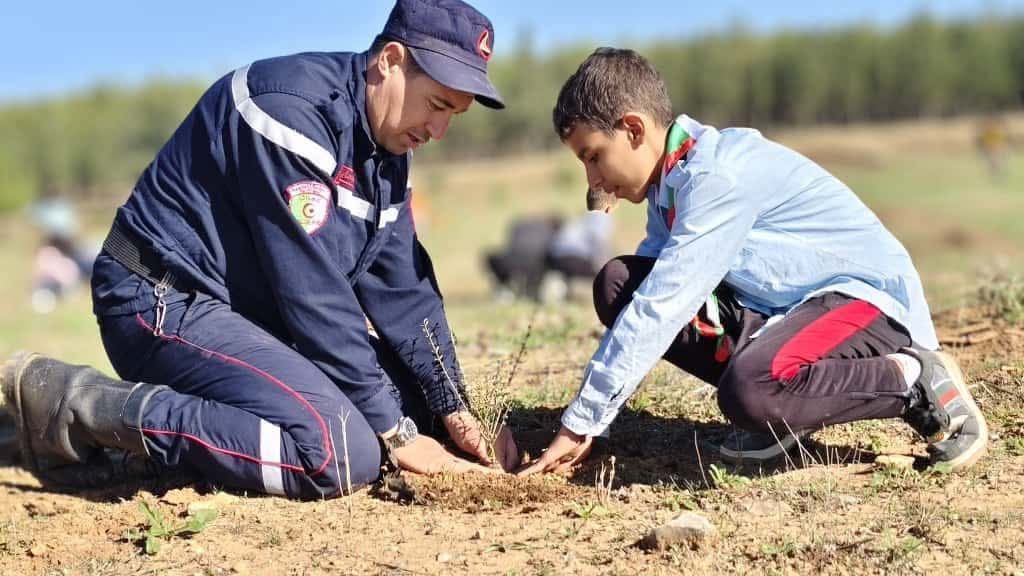
Post-fire replanting with forest services using at least five native species per site: cork oak, Aleppo pine, carob, mastic tree. Autumn-only planting, tree guards, mulching and community tree guardians.
Youth-led · Algeria · Since March 2024
Kormos is a youth-led association of Algerians aged 16 to 30. We restore burned forests, clean the Mediterranean coast and bring climate science into schools. Local action, measured with care, aligned with the UN Sustainable Development Goals.
Our story · Since March 2024
Kormos was founded in March 2024 by Rounak Chelalba and Akram Mahboub, together with a group of fellow students and young graduates who were tired of watching forests burn and beaches fill with plastic. No office, almost no budget, just a plan to act locally on global goals. This is how it grew.
founding members, mostly university students, recruited through Instagram and Facebook
registered volunteers in 11* wilayas, and 3,100* pupils reached in schools
active volunteers, with a local team in every wilaya
Co-founders Rounak Chelalba and Akram Mahboub, with a small team of students and young graduates, register the association and run its first actions with almost no budget.
How Kormos was bornEvery milestone above started with one more young person saying yes. The next one could start with you.
Join the movementThe 2030 Agenda · Our focus
Every project we run, and every story we publish, is tagged with the UN Sustainable Development Goals it serves. Select a goal to see the work behind it.
Green Clubs and an eight-module climate curriculum in schools.
6School water audits and rainwater harvesting pilots.
11Neighbourhood sorting points and urban green spaces.
12Waste sorting, recycling partners and Zero Waste Ramadan.
13Climate education and youth voices in climate policy.
14Coastal cleanups with standard marine litter data.
15Native post-fire reforestation and biodiversity records.
17Forest services, schools, municipalities and recyclers.
Impact so far · March 2024 to September 2025
Every figure is backed by attendance sheets, weighing records, dated photos and GPS points, and tagged with the goal it serves.
Native trees and shrubs planted
Seedling survival after the first dry season, independently counted
Degraded or fire-affected land under restoration
Waste removed from beaches, forests and urban green spaces
Share of collected waste sent to recycling
Litter items recorded with a standard marine litter protocol
Pupils reached through school climate education
Schools with an active Green Club
Field operations completed
Institutional and private partners
Biodiversity observations logged by volunteers
Leaders trained in our first Youth Environmental Leadership Academy
Journal · field reports, articles and vlogs
Vlogs
Programs & evidence
We design every program from peer-reviewed evidence, then publish our own results so others can check them.

Post-fire replanting with forest services using at least five native species per site: cork oak, Aleppo pine, carob, mastic tree. Autumn-only planting, tree guards, mulching and community tree guardians.

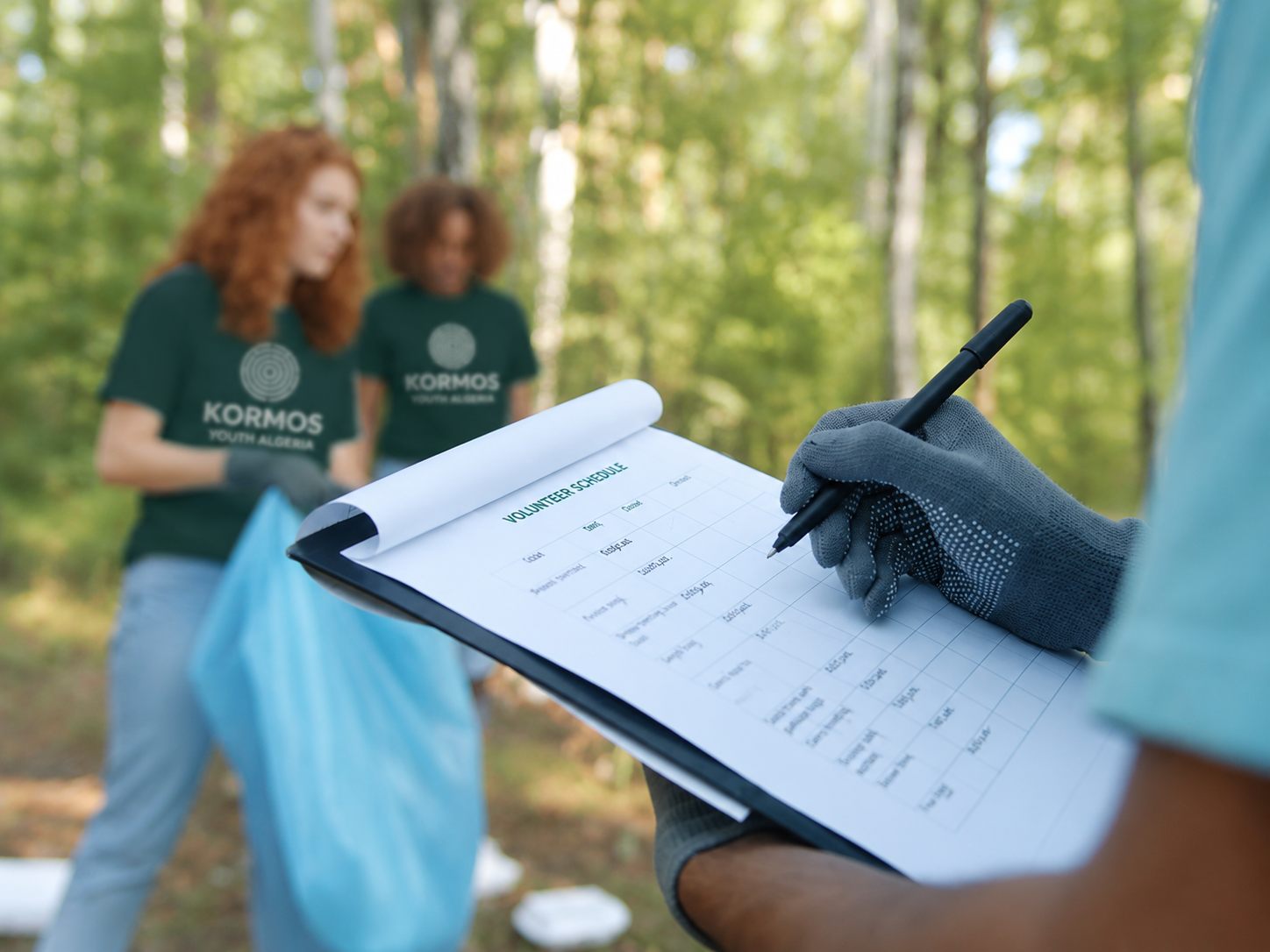
Beach and forest cleanups where every item is categorized and counted, so our data can be compared across the Mediterranean. Recyclables go to local partners, not landfill.
Illustrative photoAn eight-module curriculum: climate, water, waste, biodiversity, energy, food, forests and the Mediterranean Sea. Every club builds a school garden or compost corner.

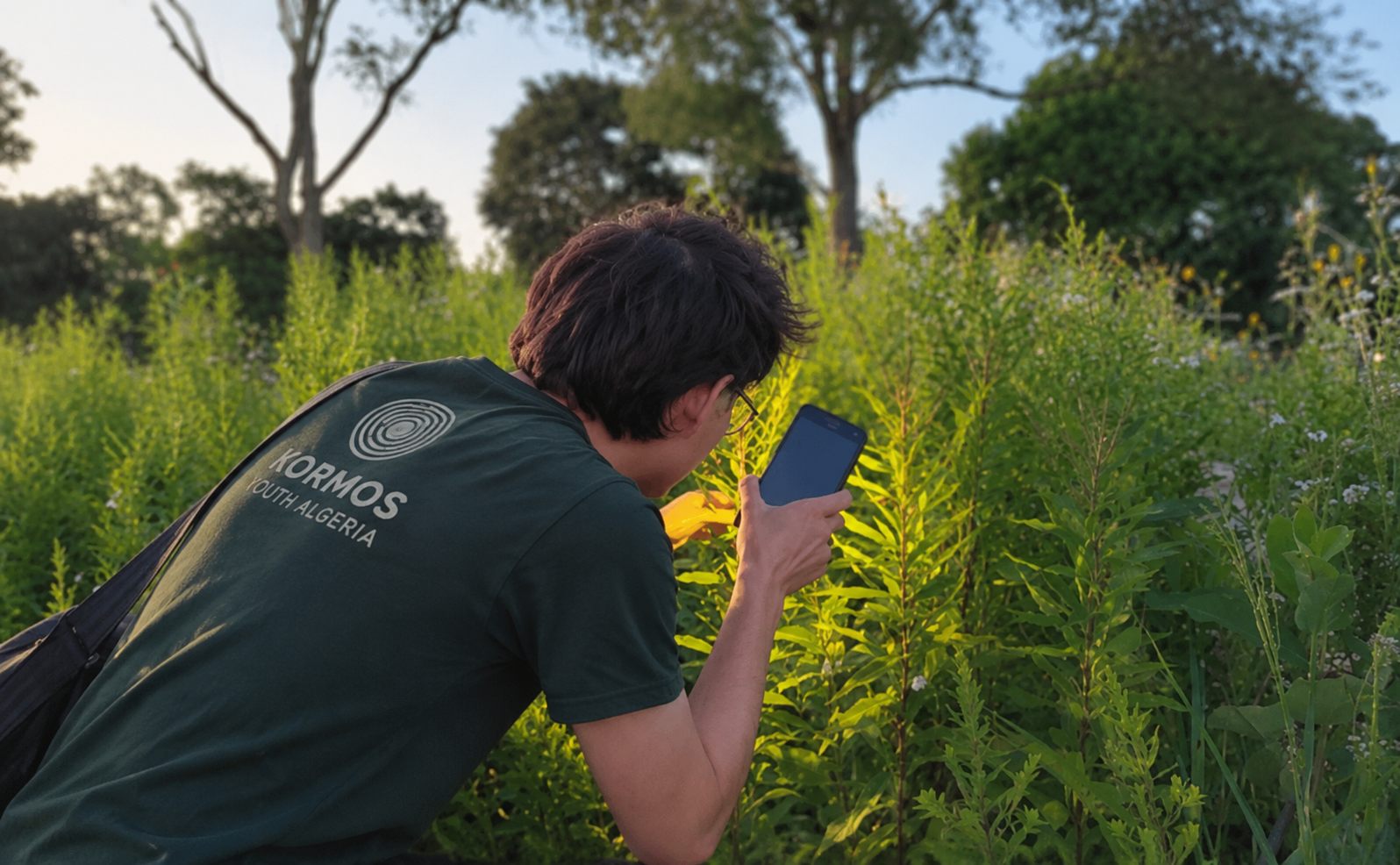
Volunteers record plants, birds and insects on open platforms, building the first local biodiversity inventory for our restoration sites.
Illustrative imageSchool water audits, a household water-saving pledge and rainwater harvesting pilots in school gardens.
Illustrative photo · ReutersPre-summer fire awareness and fuel-reduction days with forest services, and youth teams supporting the rehabilitation of the Green Dam against desertification.
Monitoring report · October 2025
After the 2025 dry season we counted every seedling at six sites. Losses came from drought stress, grazing and missed watering. We replaced 1,200* seedlings and changed our methods: autumn-only planting, tree guards, micro-basins and local tree guardians.
Illustrative photo
Illustrative photo
Strategic Plan 2026 to 2030
Each bar shows current progress against the 2030 target. We report trees grown, not only trees planted.
SDG 13 · 15 · UN Decade on Ecosystem Restoration
SDG 15 · UNCCD Land Degradation Neutrality
SDG 12 · 14 · Barcelona Convention
SDG 4 · UNESCO Education for Sustainable Development
SDG 17 · UN Youth Strategy (Youth2030)
SDG 11 · 17 · all 58 wilayas by 2030
SDG 4 · 13 · Paris Agreement Art. 12 (ACE)
SDG 6 · first 2 m³ pilot in a school garden
Why Algeria, why now
Algeria sits where two climate frontlines meet: the fast-warming Mediterranean and the expanding Saharan drylands.
The Mediterranean Basin is warming faster than the global average, with rising risks to water, food, ecosystems and health.[2][3]
burned in Algeria's 2021 wildfires across 21 provinces, with 90 lives lost. Tizi Ouzou and Béjaïa were hit hardest.[14]
people worldwide face severe water scarcity at least one month a year. North Africa is among the most exposed regions.[4]
Meet our changemakers
Real volunteers, in their own words. Profiles appear only with written consent, and parental consent for members under 18.
Local action, global goals
Next milestone · COP31, Antalya · 9–20 November 2026
We train every volunteer in field safety, native planting, litter data collection and leading a school workshop. If you are 16 to 30 and ready to act, there is a place for you.
References
* Planning estimate. To be replaced with verified figures from Kormos's field records before publication.